

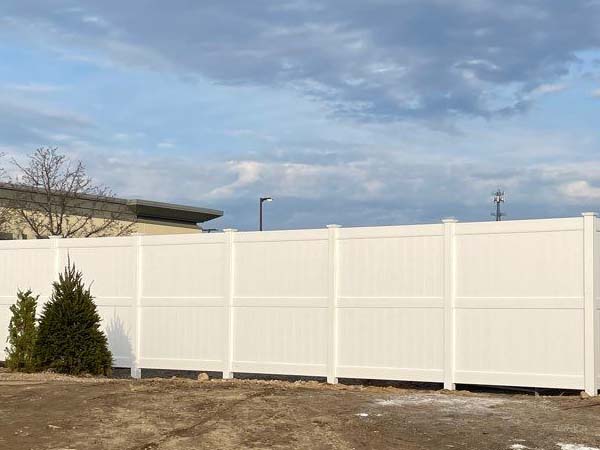
Kingston, MA’s coastal New England climate brings a tough mix of freezing temperatures, heavy snow, ice, and frequent freeze-thaw cycles each winter. These conditions can be hard on outdoor structures, including fencing. The good news is that vinyl, aluminum, and chain link fences can withstand Kingston winters when they’re built with quality materials and installed correctly.
Stafford Fence has been a trusted local Kingston, MA fence company since 2009, and we understand what local winters demand of your fence. Continue reading to learn which materials perform best and how to protect your investment!
How New England Winters Affect Fences
Freeze-thaw cycles pose the biggest threat as temperatures fluctuate above and below 32°F. Temperature variations throughout New England winters create challenging conditions for fence materials, as heavy snow stresses panels and posts and warps porous materials. Frost heave pushes posts upward as ground moisture freezes and expands. Local codes generally require a 4-foot post depth to prevent this damage.
Winter weather can cause issues such as:
- Cracking and splitting of wood materials
- Loosening of fence posts from the ground
- Accelerated wear on hardware and fasteners
- Warping and structural instability
Which Fence Materials Best Survive New England Winters?
Different fence materials handle winter conditions with varying degrees of success:
| Material | Winter Durability | Maintenance | Lifespan |
| Vinyl | Excellent – resists freeze-thaw cycles | Minimal | 20-30 years |
| Aluminum | Very Good – rust-resistant | Low | 20+ years |
| Chain Link | Excellent – sheds snow easily | Very Low | 15-20 years |
| Wood | Fair – requires protection | High | 10-15 years |
Vinyl:
Non-porous vinyl doesn’t absorb water, preventing internal freeze-thaw damage. It maintains integrity at -40°F, flexes rather than cracks, and lasts 20-30 years with minimal maintenance. A Kingston, MA vinyl fence provides excellent protection against harsh New England winters.
Aluminum:
Lightweight, rust-resistant powder coating, handles snow loads well, and has no moisture absorption.
Chain Link:
Galvanized coating prevents rust, open design sheds snow, has minimal ice buildup, and is an affordable perimeter option.
Wood:
Requires pre-winter sealing and regular maintenance. Pressure-treated or cedar perform best but need replacement every 10-15 years.
Common Winter Fence Damage and Prevention
Frost Heave:
Posts can lift several inches out of the ground from frost heave, creating unstable sections. Understanding frost depth patterns helps prevent this damage. Posts must be set 4 feet deep below the frost line and secured with concrete, along with proper drainage to minimize moisture.
Snow Load:
Heavy, wet snow creates pressure that can bend rails or collapse sections. Clear snow from fence lines after storms using a soft brush, and never pile shoveled snow against your fence.
Ice Damage:
Ice adds weight and forces apart joints as it expands. Vinyl and aluminum handle ice formation better than wood. Ensure proper drainage and brush off snow before it melts and refreezes.
Storm Damage:
Trim overhanging branches before winter and inspect your fence after major storms to address damage immediately.
Winter Fence Maintenance Tips
Before winter arrives, inspect your fence for weak spots, repair damage, and apply protective coatings to wood fences. During winter, gently remove snow accumulation with a soft brush after heavy snowfall and keep snow piles away from the fence base. In the spring, check for leaning posts, cracked panels, or loose connections and address any necessary repairs promptly. A properly maintained Kingston, MA vinyl fence requires far less attention than wood alternatives.
Protect Your Fence Investment with Stafford Fence
Can fences withstand New England winters? Absolutely, when you choose appropriate materials and ensure professional installation. Vinyl fencing leads the pack in winter durability, requiring minimal maintenance and lasting decades in harsh weather.
Stafford Fence has helped property owners in Southeastern Massachusetts protect their investments since 2009. Whether you’re considering vinyl, aluminum, chain link, or wood fencing, contact us online or call (508) 927-4998 to discuss which material will best serve your property.